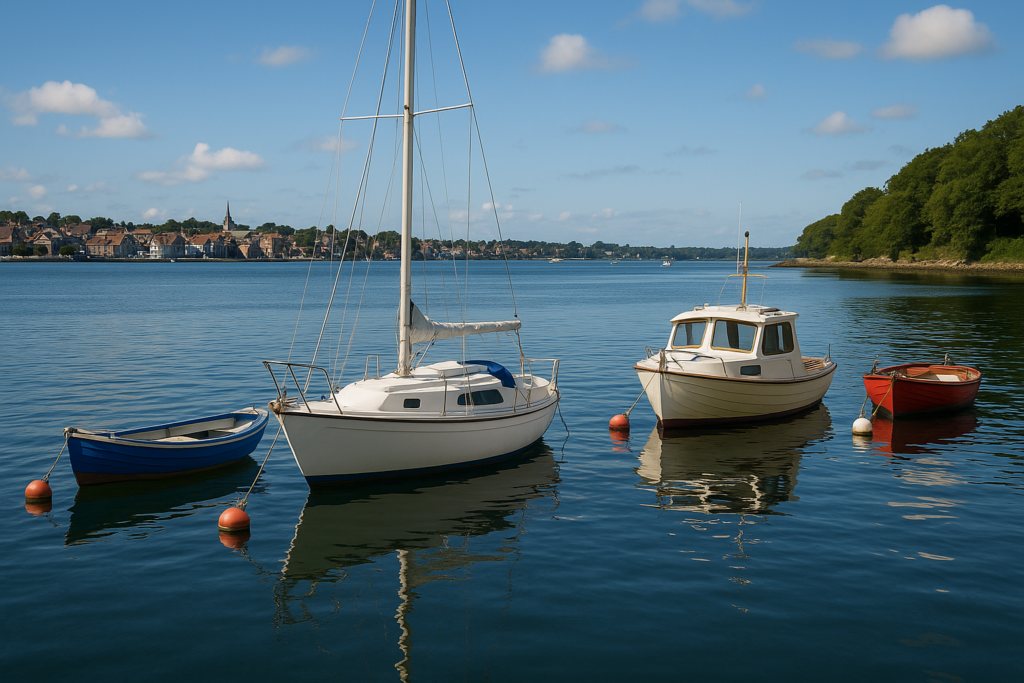
Boating is a favorite pastime for many Floridians, given the state’s extensive coastline and numerous lakes. However, owning a boat in Florida comes with unique risks, making boating insurance an important consideration. Many boat owners may find the variety of policy options and requirements confusing at first. Understanding how boating insurance works in Florida can help you protect your investment and stay safe on the water. Whether you own a small fishing boat or a luxury yacht, having the right insurance coverage is crucial. As you navigate Florida’s waters, you will want peace of mind knowing you are well-protected. Let’s explore the essentials of boating insurance in Florida to make confident decisions about your coverage.
Understanding the Basics of Boating Insurance in Florida
Florida’s waterways attract boaters year-round, making insurance a common concern among residents. Unlike auto insurance, Florida does not legally require boat owners to carry insurance for most recreational vessels. Despite the lack of statewide law, marinas, lenders, or even certain counties may require you to have coverage before docking or financing a boat. Given these factors, it is prudent for every boat owner to assess their exposure and potential liabilities on the water.
Boat insurance policies in Florida often provide protection for physical damage to the vessel, liability in the case of accidents, and even medical payments for injuries. Many policies also give you options to add coverage for fishing equipment, trailers, and personal effects on board. Before selecting a policy, review the coverage details, as coverage types and amounts may vary by provider.
Additionally, insurance policies can differ based on the type of boat you own. For example, jet skis, sailboats, and yachts might have different requirements and coverage options. You should always read the fine print and ask questions about exclusions or restrictions. Because Florida has unique boating conditions, you will often find specific clauses addressing hurricanes or saltwater damage. Therefore, understanding the basics of boating insurance in Florida allows you to make informed decisions before you hit the water.
Key Coverage Options for Florida Boat Owners
When considering insurance, Florida boat owners encounter several standard coverage options. Physical damage coverage is one of the most important coverages, as it pays for repairs or replacement if storms, collisions, theft, or vandalism damage your boat. Insurers typically offer both agreed value and actual cash value settlements, affecting how much you receive if your boat is declared a total loss. Choosing the right option will directly impact your peace of mind and your wallet.
Liability coverage is another core feature that no one should overlook. Because accidents on the water can lead to expensive property damage or bodily injury claims, liability insurance protects you from out-of-pocket costs. Many policies let you choose different liability limits, allowing you to tailor coverage to your comfort level. In Florida, the high volume of boat traffic and unpredictable weather make liability especially important for every boater.
Additional coverages can be added depending on your needs and boating habits. You might consider uninsured or underinsured boater coverage, which protects you if you are involved in an accident with someone who lacks sufficient insurance. Towing and assistance packages can help if you break down far from shore. Special endorsements are also available for fishing equipment, electronics, and trailers. With so many options, you should carefully review each coverage type to build a policy that fits your lifestyle.
Factors That Influence Boating Insurance Costs
Several factors determine how much you pay for boating insurance in Florida. The type, size, and value of your boat play a major role in setting your premium. For example, a high-speed powerboat or luxury yacht will typically cost more to insure than a small fishing boat or kayak. Insurers also look at the age of your boat, as newer vessels often qualify for lower rates due to modern safety features.
Where and how you use your boat adds another layer to the cost equation. If you navigate only in inland lakes, you might pay less compared to someone who regularly goes offshore in open water. Storing your boat in a marina with strong security measures or in a hurricane-resistant facility may help lower your insurance costs. In contrast, boats kept in high-risk areas or exposed to frequent storms often carry higher premiums.
Your personal boating experience and claims history also matter to insurers. Boaters with safety certifications or clean records may enjoy lower rates. Some insurance companies even offer discounts for completing approved boating safety courses. In addition, bundling your boat insurance with other policies, such as homeowners or auto, can further reduce your annual premium. Because each factor plays a part, you should always ask about potential discounts and ways to make your policy more affordable.
Common Claims and Risks for Florida Boaters
Florida’s unique climate and geography create specific risks for boat owners. Storm damage remains one of the most frequent claims filed, especially during hurricane season when powerful winds and flooding can devastate boats. Even if your vessel is securely docked at a marina, severe weather can still cause significant losses. Therefore, having adequate storm coverage in your policy is essential for every Florida boater.
Collisions and accidents also account for a large share of insurance claims. The state’s popular waterways can become crowded during peak season, increasing the chances of accidental damage or injury. Liability claims may arise if you are found responsible for damaging another vessel or causing bodily harm. Because legal and medical costs can add up quickly, comprehensive liability coverage is always recommended.
Theft and vandalism are additional risks that Florida boaters face. Boats stored in unsecured areas or left unattended for long periods are prime targets for criminals. Insurance claims for stolen equipment, electronics, or even the entire vessel are not uncommon. To minimize these risks, you should secure your boat with proper locks and consider additional coverage for valuable personal property kept on board. Understanding the most common claims can help you better assess your insurance needs.
Tips for Choosing the Best Boating Insurance Policy
Start by assessing your own boating habits and the type of vessel you own. Compare insurance providers and request quotes from several companies to find the best rates and coverage. Always read through policy details carefully, paying special attention to exclusions, deductibles, and limits. Many insurers offer policy endorsements or bundles that can benefit individuals with unique needs or those with multiple boats.
Ask about available discounts, such as those for safe boating courses or installing safety equipment. You should also inquire about hurricane haul-out coverage, especially if you boat in hurricane-prone areas. Bundling your boat insurance with other policies, such as homeowners or auto insurance, can sometimes result in significant savings. Do not hesitate to negotiate or switch providers if you find a better deal elsewhere.
Check the insurer’s reputation and financial stability before making a final decision. Reliable customer service and efficient claims processing can make a big difference if you ever need to file a claim. Regularly review and update your policy to ensure your coverage keeps pace with changes in your boating lifestyle or vessel value. Remember that the right insurance policy should fit both your budget and your peace of mind as you enjoy Florida’s beautiful waters.
Conclusion On Boating Insurance in Florida
Boating in Florida can be a wonderful way to spend time with family and friends, but it is important to stay prepared for the unexpected. By understanding the basics of boating insurance, you can make informed choices that keep your vessel and your finances protected. Because every boat and boater is unique, you should review your coverage options thoroughly. Comparing policies and asking the right questions will help you find the best fit for your needs. In addition, staying aware of common risks, such as storms and theft, allows you to select coverage that addresses local threats. Remember that your insurance needs may change as your boat or boating habits evolve, so schedule regular policy reviews. Taking boating safety courses and securing your vessel can also help lower your premiums. Whenever you need advice, reach out to trusted insurance professionals for guidance. Ultimately, the right boating insurance policy gives you the freedom to relax and enjoy everything Florida’s waterways have to offer, knowing you are well-protected every step of the way.