
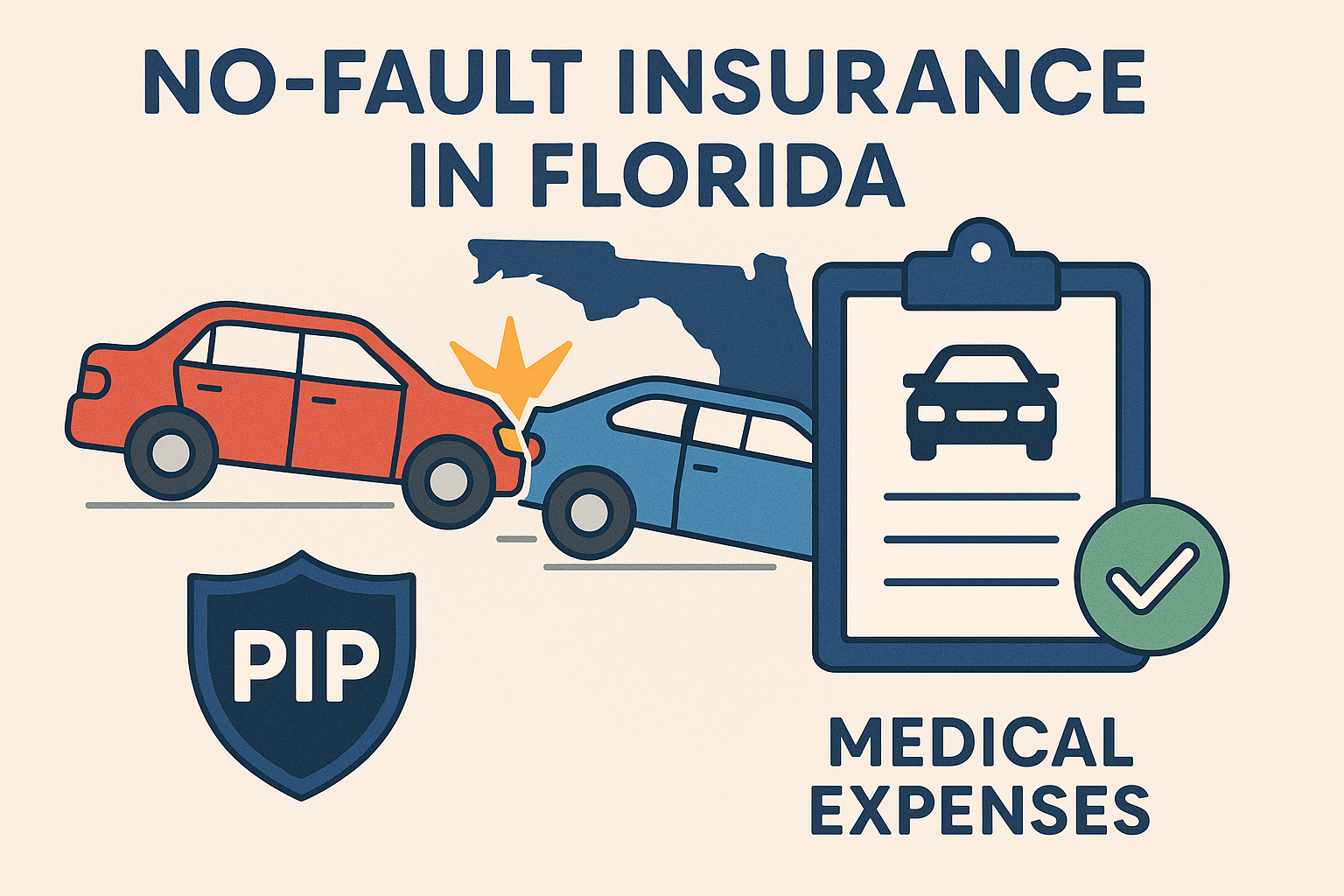
Florida stands out as a state where drivers pay some of the highest car insurance premiums in the country. Many people wonder why rates in the Sunshine State are so expensive. One big reason lies in Florida’s use of “no-fault” car insurance. By understanding how no-fault insurance works and how it affects the insurance industry, you can see why so many Floridians feel the sting of high premiums. In this article, we examine the system, its challenges, and potential solutions to help reduce the cost of insurance for everyone.
Understanding No Fault Car Insurance in Florida
No-fault car insurance in Florida means that after an accident, each driver turns to their own insurance company for coverage, regardless of who caused the accident. Instead of spending time and money determining blame, the system pays out benefits quickly. Because of this, drivers can often get medical bills and some lost wages paid without lengthy legal battles.
The primary component of Florida’s no-fault system is Personal Injury Protection, commonly referred to as PIP. Every driver in Florida is required to carry PIP coverage, typically with a minimum coverage of $10,000. When an accident happens, PIP pays for each policyholder’s medical expenses, up to the policy limit. Although the intention is to simplify things, critics argue that it comes with hidden costs.
Since PIP coverage pays out regardless of fault, some believe it speeds up the claims process and reduces the likelihood of lawsuits. However, the system also opens the door to higher claim volumes. As a result, insurers must cover more payouts than they would in a traditional fault-based system. Consequently, the cost of doing business increases for everyone.
The Mechanics Behind Higher Premiums
Insurance companies set their rates based on the risk they face and the costs they expect to pay out. In Florida, no-fault insurance forces insurers to settle more claims quickly. Because every accident results in payments, the number of claims per year is much higher than in states with different systems. Therefore, insurers must factor in these increased costs when setting premiums for all drivers.
Moreover, the minimum required PIP coverage does not always cover the full costs of an accident. When expenses exceed the policy limit, drivers and passengers might need to seek further compensation through lawsuits. As claims pile up and the risk of payouts grows, insurance companies have no choice but to charge higher rates. Even drivers with clean records end up paying more, simply because the risk pool is larger and more expensive to manage.
Additionally, insurance companies face administrative burdens in handling a large number of claims. They must verify each claim and process payments promptly, which increases operating costs. Eventually, these expenses get passed down to policyholders in the form of higher premiums. Therefore, the mechanics of the rise in no-fault insurance put financial pressure on both insurers and drivers in Florida.
Fraud and Abuse in No-Fault Claims
Unfortunately, Florida’s no-fault insurance system has become a target for fraud and abuse. Because the system pays out quickly and without regard to fault, some individuals take advantage of it. For example, staged accidents and inflated medical bills have become common problems. Insurance companies must investigate suspicious claims, which raises costs for everyone.
Criminal rings sometimes organize fake accidents and submit exaggerated claims for personal injury protection. Since PIP pays out up to the limit with fewer questions asked, opportunists see a chance for easy money. Honest drivers end up subsidizing these fraudulent claims through higher premiums. As fraud increases, insurers must spend more on investigations and legal fees, which adds to their overall expenses.
Likewise, some medical providers collaborate in these schemes by billing for services that were never rendered. Even a small percentage of fraudulent claims can have a significant impact on the overall insurance market. Every dollar lost to fraud must be recovered from policyholders. When fraud becomes widespread, insurers have no choice but to continually raise premiums.
The Impact on Florida Drivers’ Wallets
As a result of the no-fault system and the associated fraud, Florida drivers feel the pinch in their bank accounts. Year after year, car insurance premiums in the state continue to rise. Many families struggle to afford even basic coverage, which makes driving in Florida an expensive necessity.
Even drivers with spotless records cannot escape the consequences according to https://floridainsurancequotes.net/auto-insurance/what-is-no-fault-insurance-in-florida/. Because the insurance companies must spread their increased costs across all policyholders, everyone pays higher rates. Young drivers, retirees, and low-income families are brutally hit. For some, the high cost of insurance means making tough choices about other household expenses.
Furthermore, high insurance rates may lead some drivers to go without coverage entirely, despite legal requirements. When people drive without insurance, the risk increases for everyone on the road. Accidents involving uninsured drivers can leave victims with unpaid medical bills and car repairs, further exacerbating the state’s overall financial problems. Ultimately, the system leaves many feeling frustrated and financially burdened.
Seeking Solutions for Affordable Insurance
Lawmakers, insurers, and consumer advocates all recognize that change is necessary. Some suggest reforming or even eliminating the no-fault system. By switching to a traditional fault-based system, Florida could reduce the number of small claims and decrease fraud. Other states have already made such changes and have seen lower premium costs as a result.
Alternatively, some propose stronger anti-fraud measures. Implementing stricter oversight of medical billing and claim verification could help reduce medical billing fraud and abuse. Insurance companies may also invest in advanced technology to identify suspicious patterns early. As fraud decreases, insurers could pass those savings on to policyholders, making coverage more affordable for everyone.
Education and transparency are also key. By helping drivers understand their coverage options, the state could encourage safer choices and reduce unnecessary claims. When people know how the system works, they are less likely to fall victim to scams or make costly mistakes. As stakeholders continue to debate the best path forward, many Floridians hope for a future where car insurance is both fair and affordable.
Conclusion
The no-fault car insurance system in Florida was established with good intentions, aiming to expedite the claims process and prevent minor disputes from going to court. However, over time, the system has led to many unintended consequences. Rising premiums have become a burden for families across the state. Fraud and abuse remain serious problems that drive costs even higher for everyone. As a result, many drivers struggle to keep up with the demands of mandatory insurance. Although reform will not be easy, many experts believe it is necessary to restore balance to Florida’s insurance market. By learning from the experiences of other states and embracing new strategies for fighting fraud, Florida can move toward a more sustainable future. Encouraging honest practices and holding wrongdoers accountable will protect both insurers and policyholders. With the proper adjustments, the state can reduce costs and enhance coverage for all drivers. Ultimately, the goal must be a fair, affordable system that gives every Floridian peace of mind on the road.